Heart of Gwaii Haanas Kayaking Expedition
View

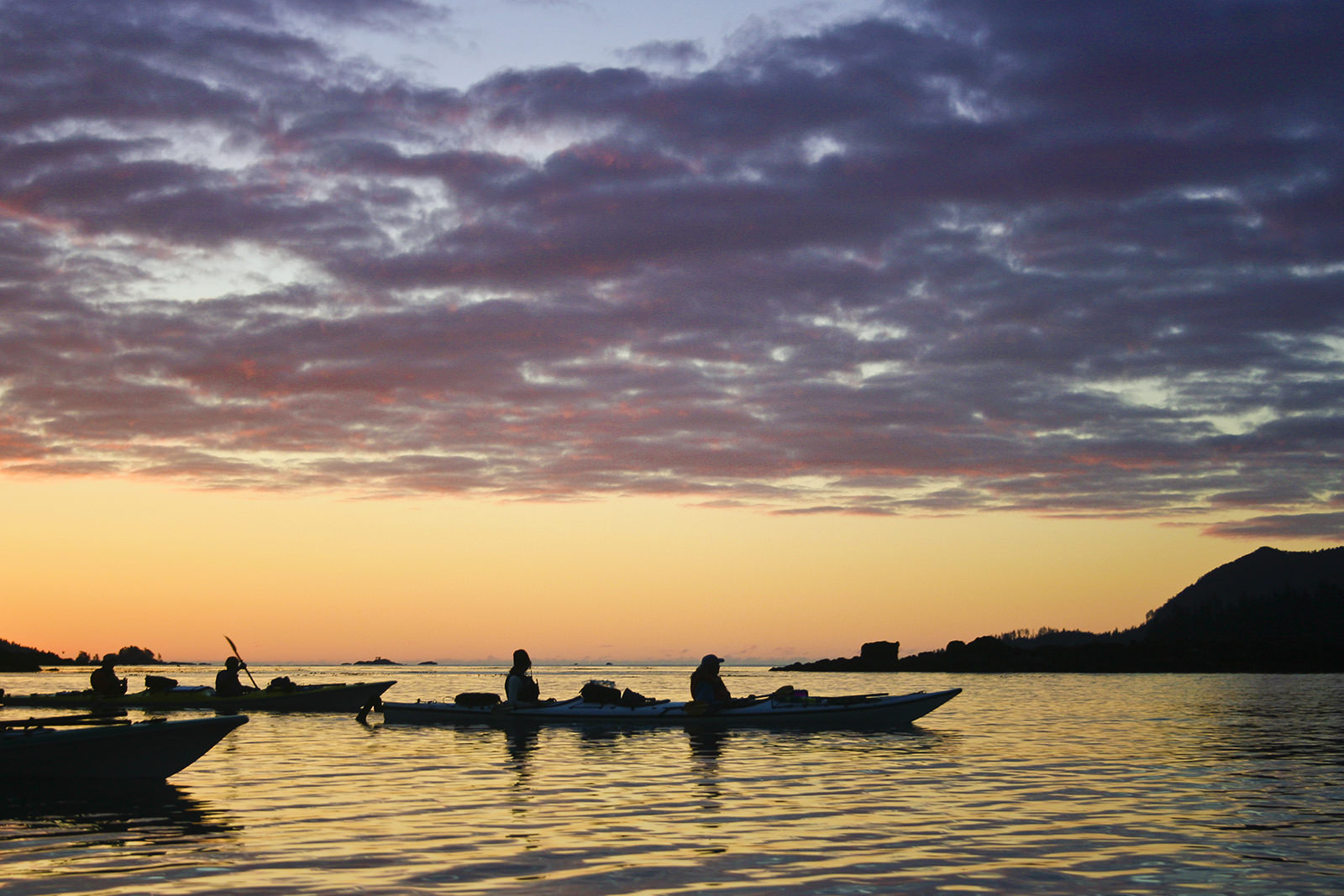

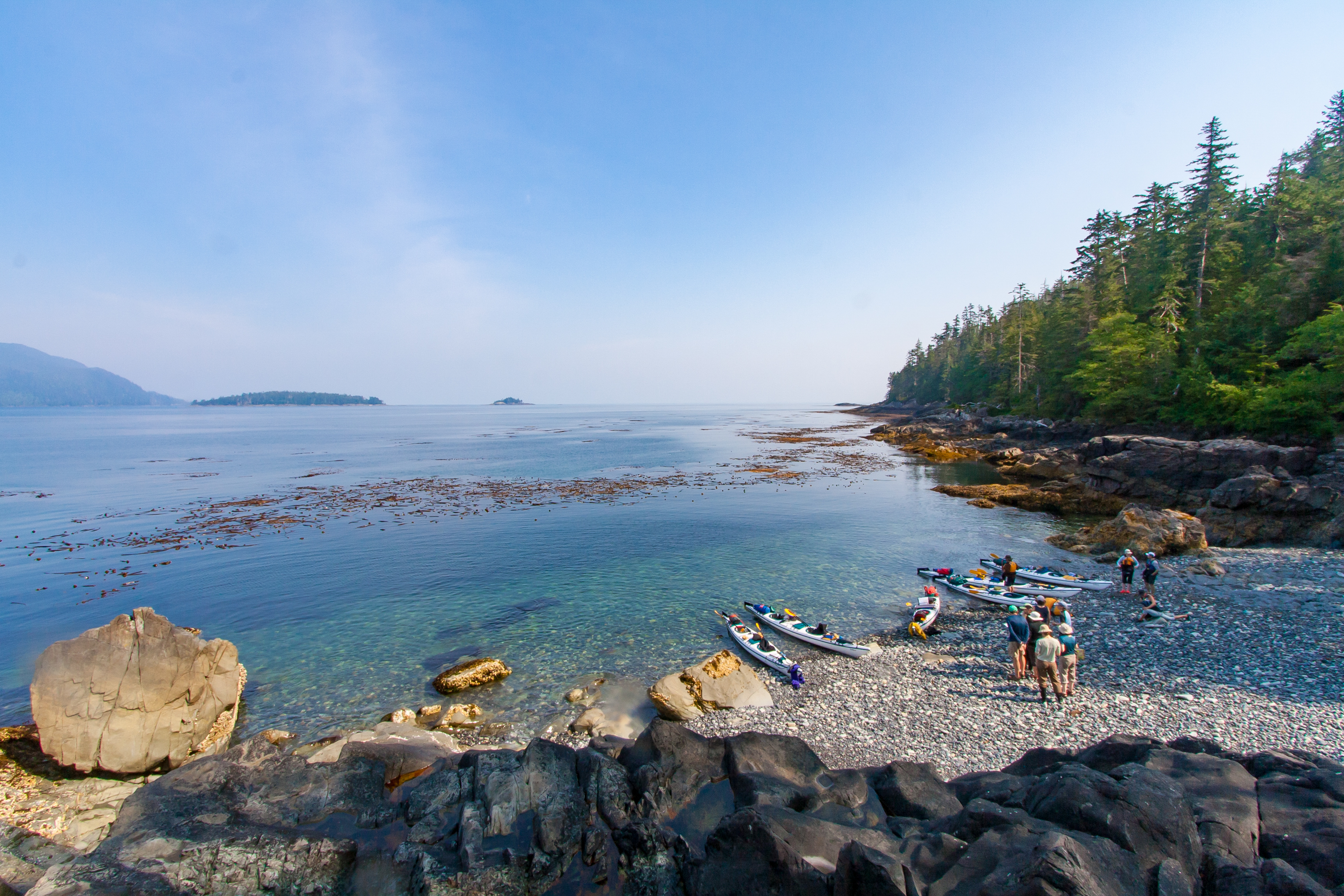
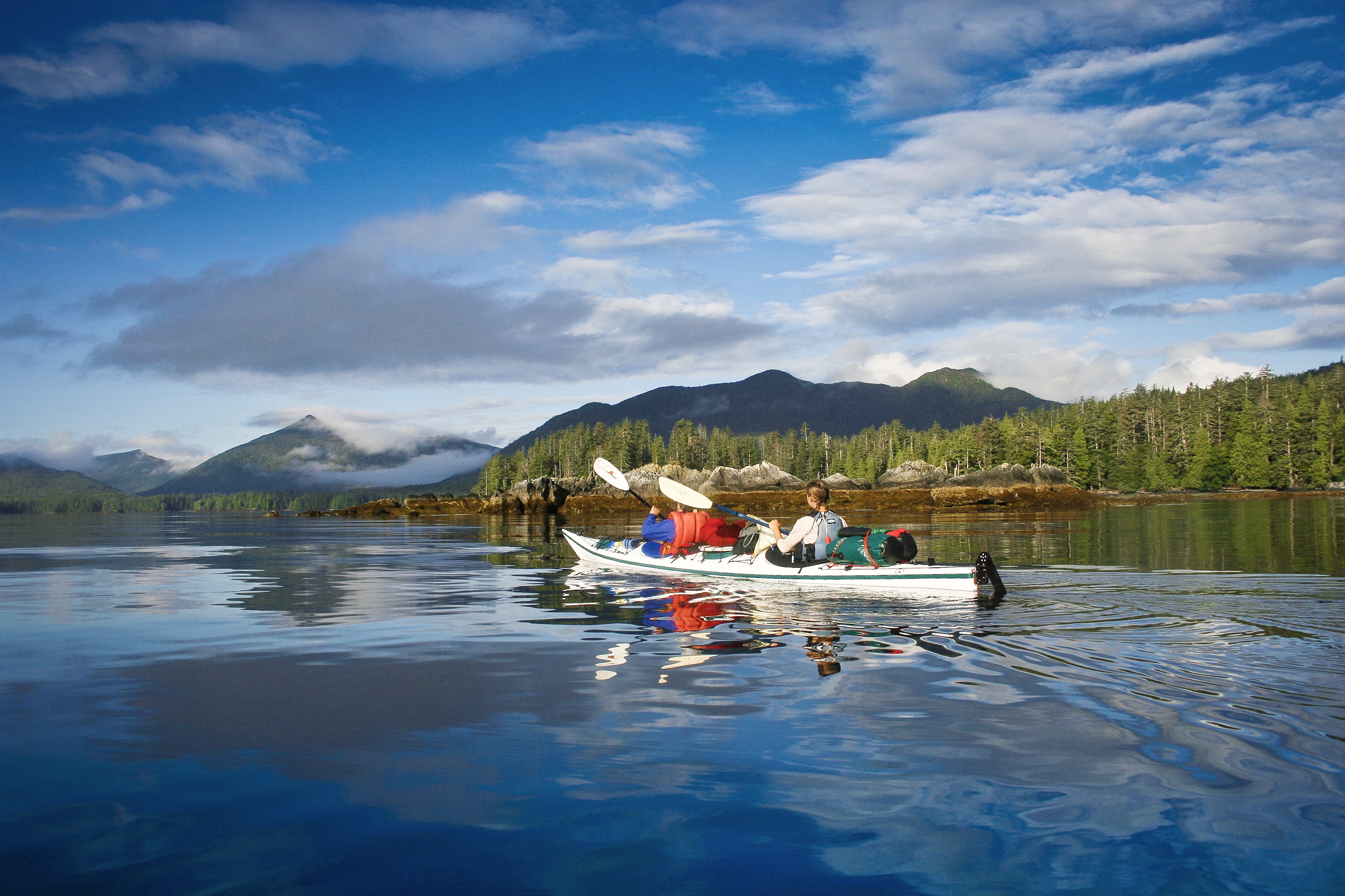
Haida Gwaii, the remote archipelago off British Columbia's northern coast, is often called Canada's Galápagos for good reason. Separated from the mainland by the Hecate Strait, these roughly 200 islands developed in relative isolation, giving rise to unique subspecies found nowhere else on Earth — from the Haida Gwaii black bear, the largest black bear subspecies in North America, to distinct populations of saw-whet owls and deer mice. The islands escaped the last ice age's full glaciation, so ancient temperate rainforests here have grown largely undisturbed for over 10,000 years. Towering Sitka spruce and western red cedar, some over a thousand years old, create a cathedral-like canopy draped in moss. At the same time, the coastline shifts dramatically between wild, surf-battered western beaches facing the open Pacific and the calmer, island-studded waters of the eastern shore — terrain that makes Haida Gwaii one of the world's great sea kayaking destinations.
Culturally, Haida Gwaii is the ancestral homeland of the Haida Nation, whose presence on these islands stretches back millennia and whose artistic and spiritual traditions remain vibrantly alive today. The southern portion of the archipelago is protected as Gwaii Haanas (Place of Wonder) National Park Reserve, National Marine Conservation Area Reserve, and Haida Heritage Site.
The interplay between land and sea defines daily life and travel here. Black bears fish for salmon along river mouths, bald eagles are a near-constant presence overhead, and offshore waters support humpback and orca whales, sea lions, and some of the richest intertidal ecosystems on the Pacific coast.
In recent years, Haida Gwaii has also become a landmark case in Indigenous land rights. The Gaayhllxid/Gíihlagalgang "Rising Tide" Haida Title Lands Agreement, signed with the Province of British Columbia in April 2024, and the Chiix̲uujin/Chaaw K̲aawgaa "Big Tide (Low Water)" Haida Title Lands Agreement, signed with the federal government in December 2024, together formally recognized Haida Aboriginal title across the archipelago's terrestrial areas — a first-of-its-kind negotiated recognition of title in Canada.
Float through the richest intertidal life in the world at Burnaby Narrows.
Feel the silent power of the standing totem poles at the SGang Gwaay (Ninstints) UNESCO World Heritage Site and hear the story of each pole from a Haida Watchman guide?
Soak in one of the most beautifully sited hot springs in the world
Discover why National Geographic Traveler selected Haida Gwaii “Best of the World – 20 Places You Should See in 2015” and Outside Magazine ranked the archipelago as “Best Islands” in 2014.